Church · Downtown
Holy Trinity Armenian Apostolic Church
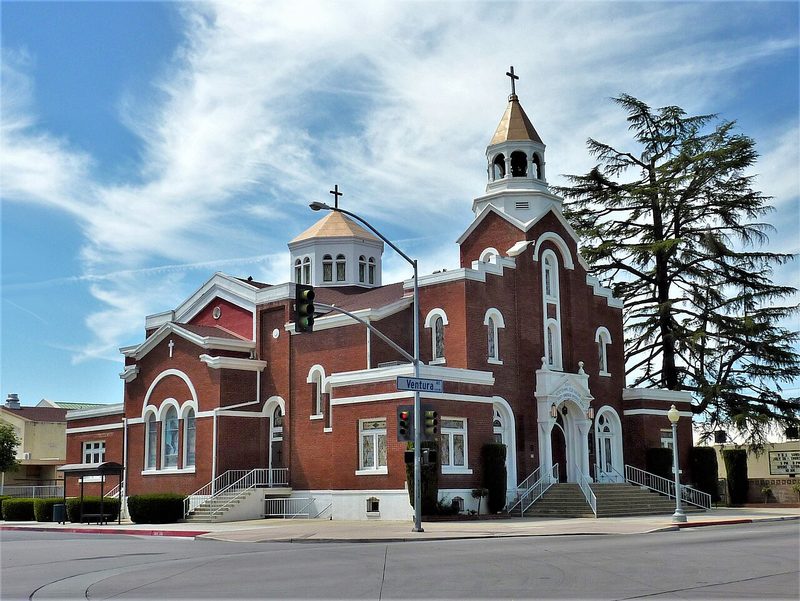
The oldest Armenian Apostolic church in the western United States, at Ventura and M Streets. The congregation dates to 1900; the current church opened in 1914 and is a National Historic site.
People & communities · Բարի գալուստ
For more than 140 years, Fresno has been one of the great centers of Armenian life in America. As someone who came here from Yerevan, I found churches, bakeries, a university program and neighbors who spoke my language. Here is the community you are joining.
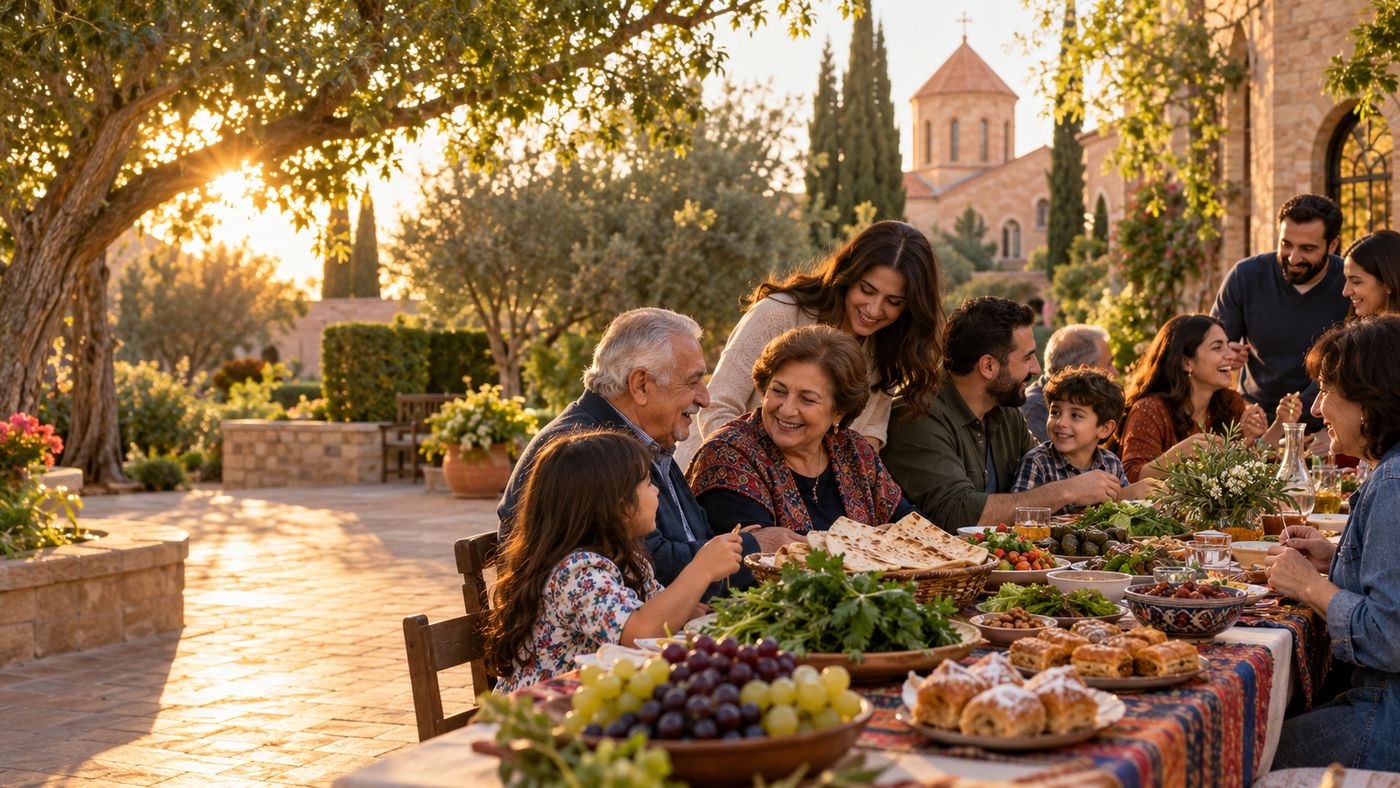
Hagop Seropian and his half-brothers moved to Fresno from Massachusetts in 1881, partly to escape New England winters. They found a climate much like Armenia’s and wrote home about it. Their letters brought relatives and neighbors west.
Larger waves followed the Hamidian massacres of the 1890s and the Armenian Genocide of 1915. Families settled in Fresno and in valley towns like Fowler, Selma, Kingsburg, Parlier, Del Rey and Reedley.
Armenians brought new grape varieties and became leading raisin growers, fig and melon pioneers, and fruit packers. The Seropians’ packing house was the first to ship Fresno oranges and figs to Eastern markets.
Life was not always easy. For generations Armenians faced discrimination and were not fully accepted into community life until the 1950s. That is part of why they built their own churches, newspapers and benevolent societies, and why the community stayed so close-knit.
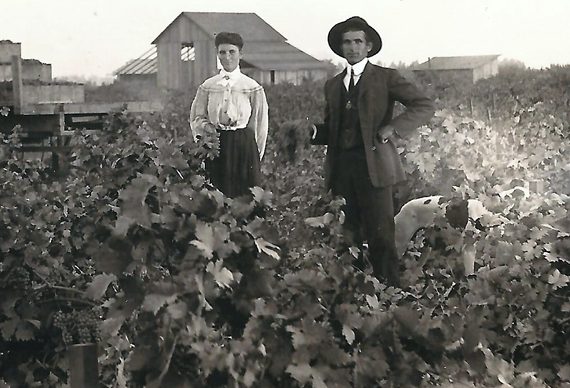
Armenian Town grew on the southeast edge of downtown, beside the railroad tracks. Its churches were the center of daily life.
Key dates
Places to know
Church · Downtown
The oldest Armenian Apostolic church in the western United States, at Ventura and M Streets. The congregation dates to 1900; the current church opened in 1914 and is a National Historic site.
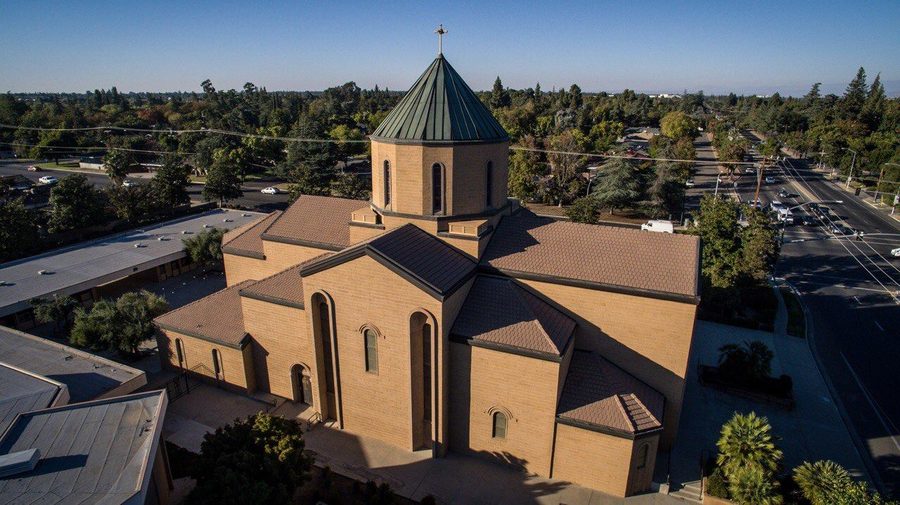
Church
An Armenian Apostolic parish that also hosts concerts and cultural events.
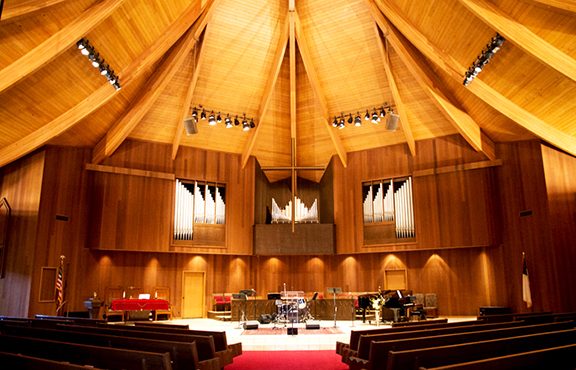
Churches
First Armenian Presbyterian Church (1897) and Pilgrim Armenian Congregational Church (1901) are among the community’s oldest congregations.
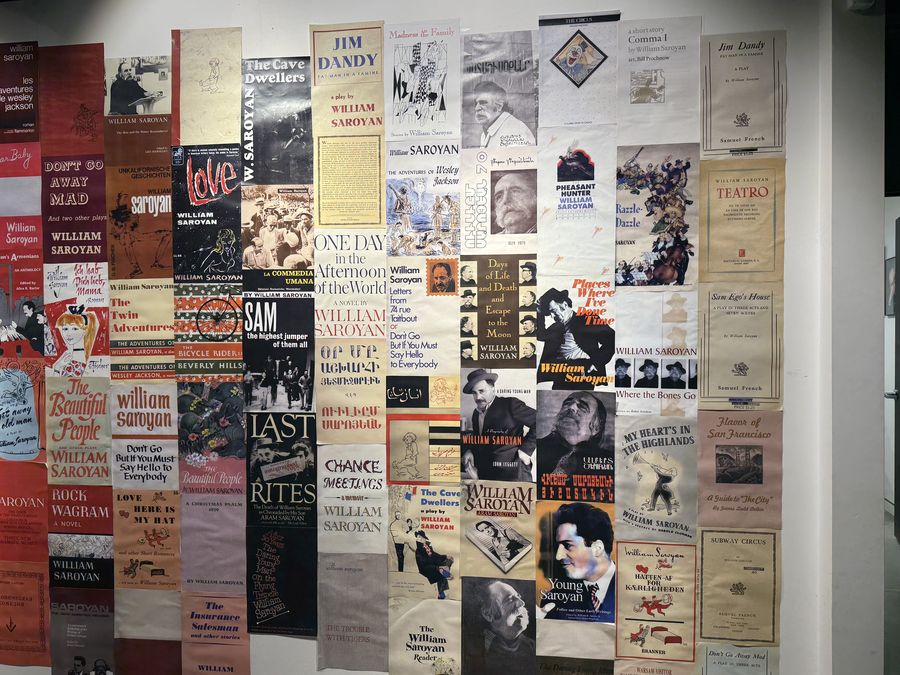
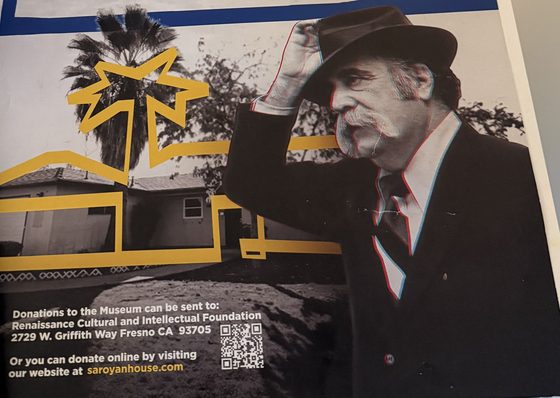
Museum
The home where the Pulitzer-winning writer spent his last two decades, with interactive exhibits and a hologram of Saroyan. Tours by appointment.
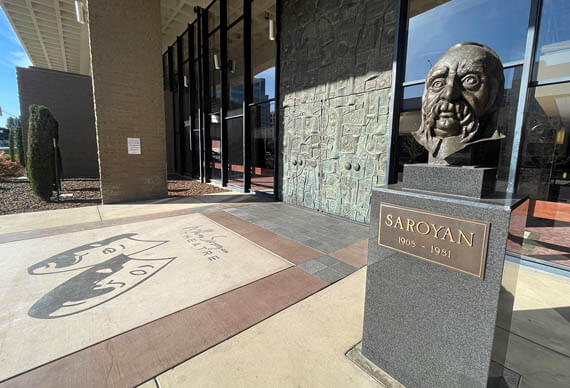
Theater · Downtown
Fresno’s convention-center theater, renamed in Saroyan’s honor after his death in 1981.
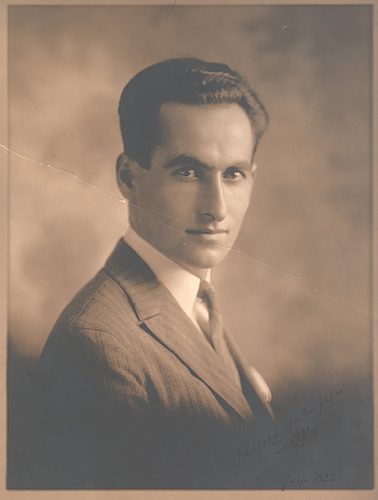
Museum
Collects and shares the story of Armenian Americans in the valley, with the companion site armeniansfresno.com.
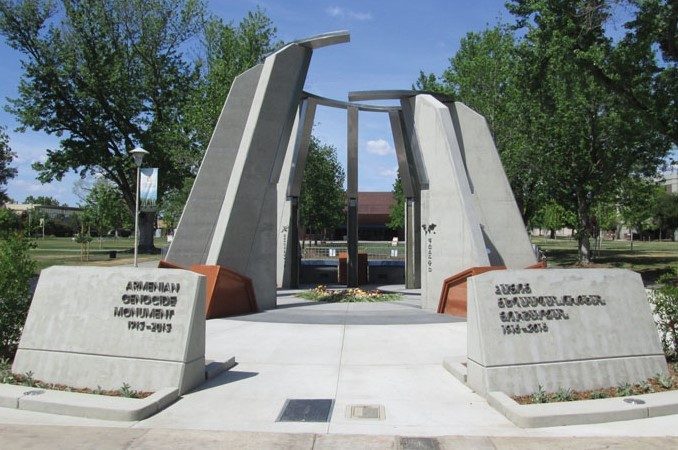
Memorial · Fresno State
On the Maple Mall at Fresno State, unveiled on April 23, 2015, before more than 4,000 people.
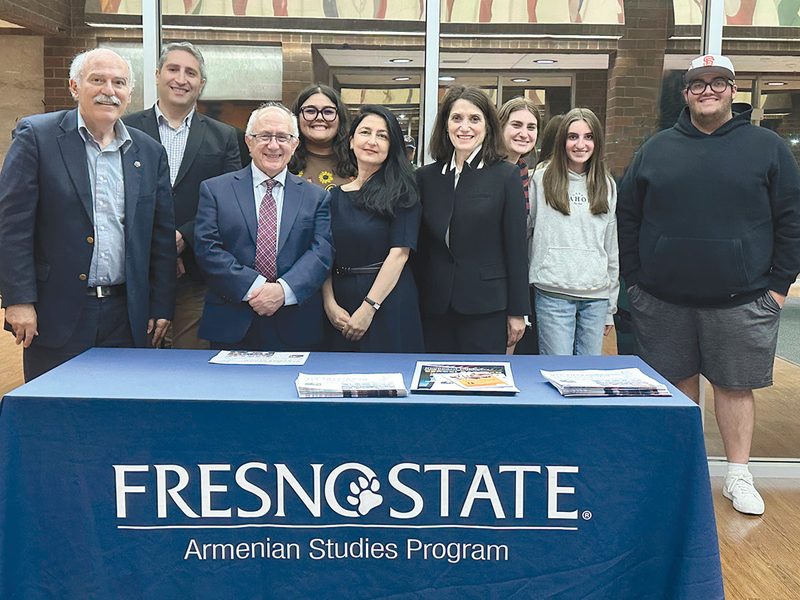
University
Fresno State’s program since 1977: a minor in Armenian Studies, scholarships, the student newspaper Hye Sharzhoom, the Armenian Students Organization, and free public lectures.
Heritage
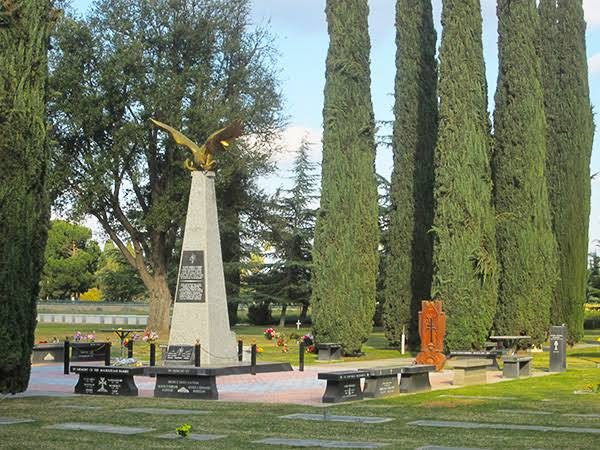
Resting place of the Seropian brothers and many community pioneers, civic leaders and artists, with an Armenian Genocide memorial among tall cypress trees.
For families · Armenian school
Families moving to Fresno often ask where their children can keep up their Armenian. This private school in Clovis teaches a full, standards-based curriculum in English, with Armenian language, history and culture every day.
At the table
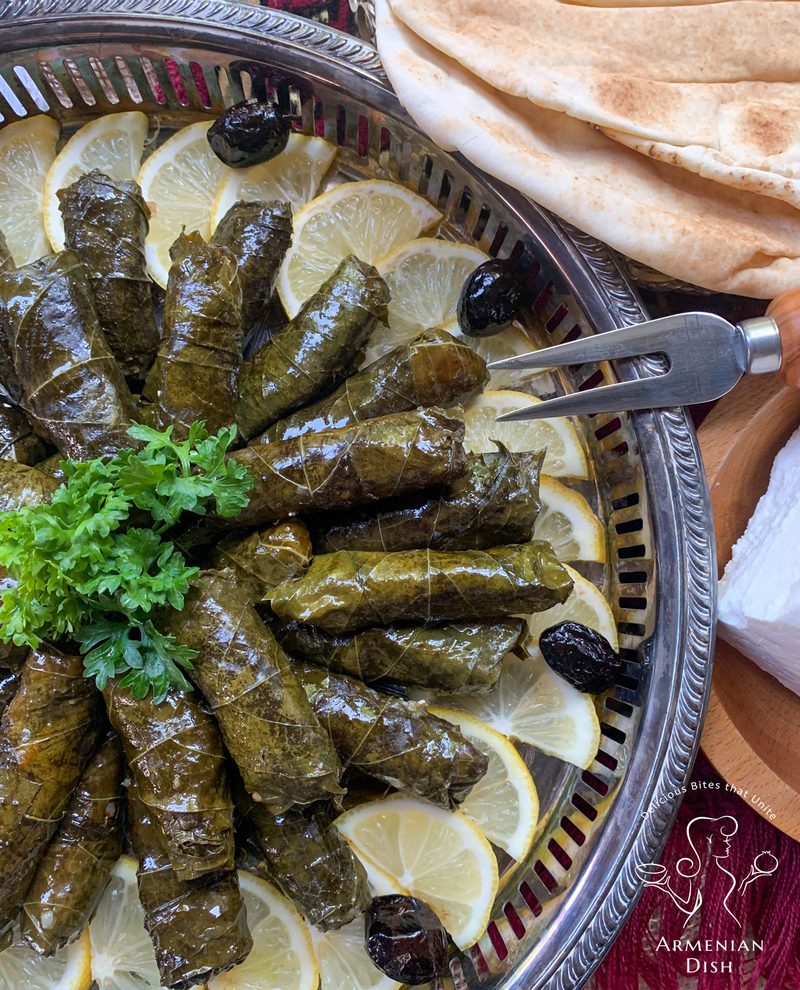
You will find Armenian flavors all over Fresno, from cracker bread at holiday tables to lavash, cheeses and spices at the local Armenian markets.
Words you will hear: lavash, lahmajoun, dolma, khorovats, gata.
Literature
William Saroyan was born on the edge of downtown Fresno on August 31, 1908. He won the 1940 Pulitzer Prize for Drama for The Time of Your Life and an Academy Award for the story of The Human Comedy, set in a town modeled on the valley.
He wrote about Fresno’s Armenian families his whole life and returned here for his last two decades. His house on Griffith Way is now a museum, and the city’s main theater carries his name.
Born in Fresno
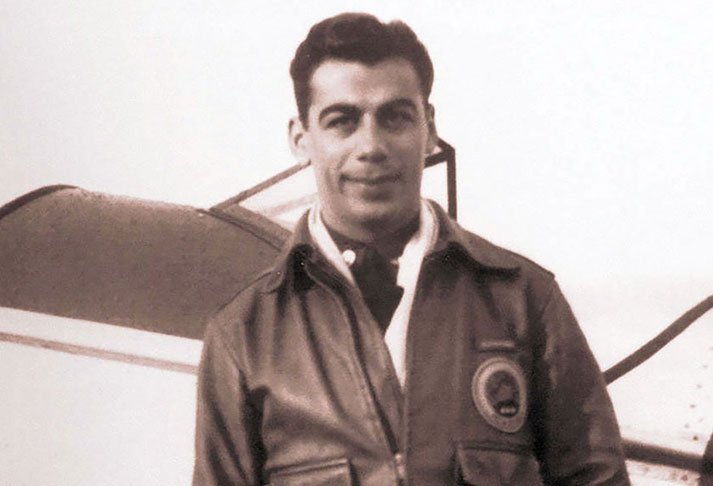
Kirk Kerkorian was born in Fresno on June 6, 1917, to Armenian immigrant parents who farmed in the valley. The family later moved to Los Angeles, where young Kirk left school early, worked odd jobs and boxed as an amateur.
He learned to fly, and during World War II he ferried warplanes across the Atlantic for the Royal Air Force Ferry Command, one of the most dangerous jobs in aviation. After the war he built a charter airline, then turned to Las Vegas, where he built the International Hotel and the original MGM Grand, and he later owned the MGM film studio.
He never forgot where his family came from. Through his Lincy Foundation he gave more than a billion dollars to Armenia, for roads, housing, schools and earthquake recovery, usually without putting his name on it. He died in 2015 at 98.
I can help with neighborhoods, schools, documents and local systems in Armenian, Russian or English.